

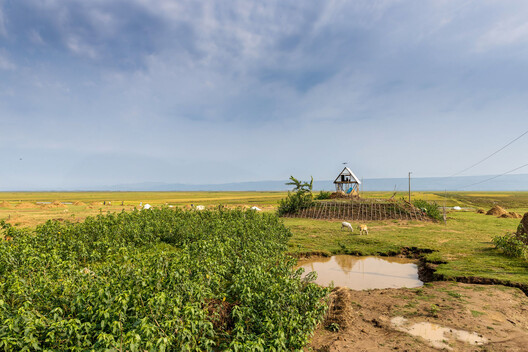
In the low-lying deltas of Bangladesh, water defines both life and loss. Every year, millions are forced to rebuild after floods wash away their homes, crops, and livelihoods. In these precarious territories, the act of building has become an act of resilience. It is here that Khudi Bari emerges as a modest yet radical proposal. Designed by Marina Tabassum Architects, the project provides a lightweight, modular, and affordable dwelling for communities displaced by climate change. Recognized as one of the winners of the 2025 Aga Khan Award for Architecture, it represents a form of architecture that empowers rather than imposes.
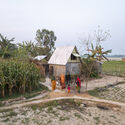
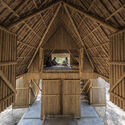
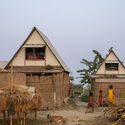

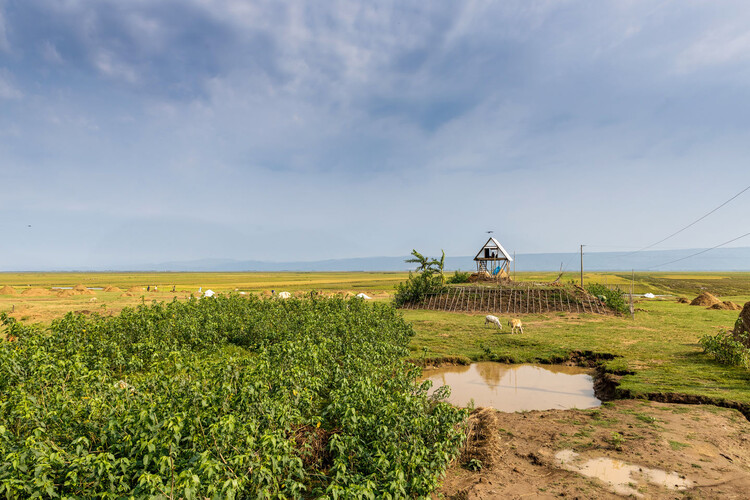
For Marina Tabassum, architecture is never detached from context. Her work has long addressed the intersection of material intelligence, spirituality, and social responsibility. Following the acclaimed Bait Ur Rouf Mosque, for which she received her first Aga Khan Award in 2016, Tabassum turned her attention toward the urgent realities of climate migration. The result is a project that redefines what it means to design for survival and dignity, offering a system that communities can adapt, replicate, and own.


